Circular Economy: Integrating Waste Management and Energy Production

The circular economy represents a fundamental shift from our traditional linear "take-make-dispose" model to one where waste is minimized, and materials are continuously reused.
Waste-to-Energy in the Circular Framework
In a circular economy, waste is not an endpoint but a valuable resource. Organic waste streams can be converted into biogas through anaerobic digestion, and this biogas can then be used to generate electricity, heat, or even be upgraded to renewable natural gas.
Integrated Systems Approach
Our approach involves creating integrated systems where:
- Agricultural waste becomes energy and fertilizer
- Food waste powers community energy needs
- Wastewater treatment plants become energy producers
- Industrial byproducts feed into energy production cycles
Economic and Environmental Benefits
This integrated approach delivers significant benefits:
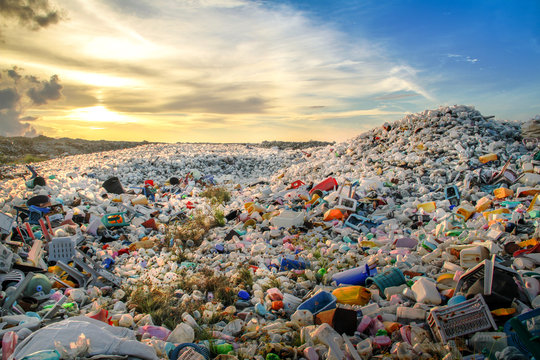
- Reduces landfill usage and associated methane emissions
- Creates local energy independence and resilience
- Generates new revenue streams from waste materials
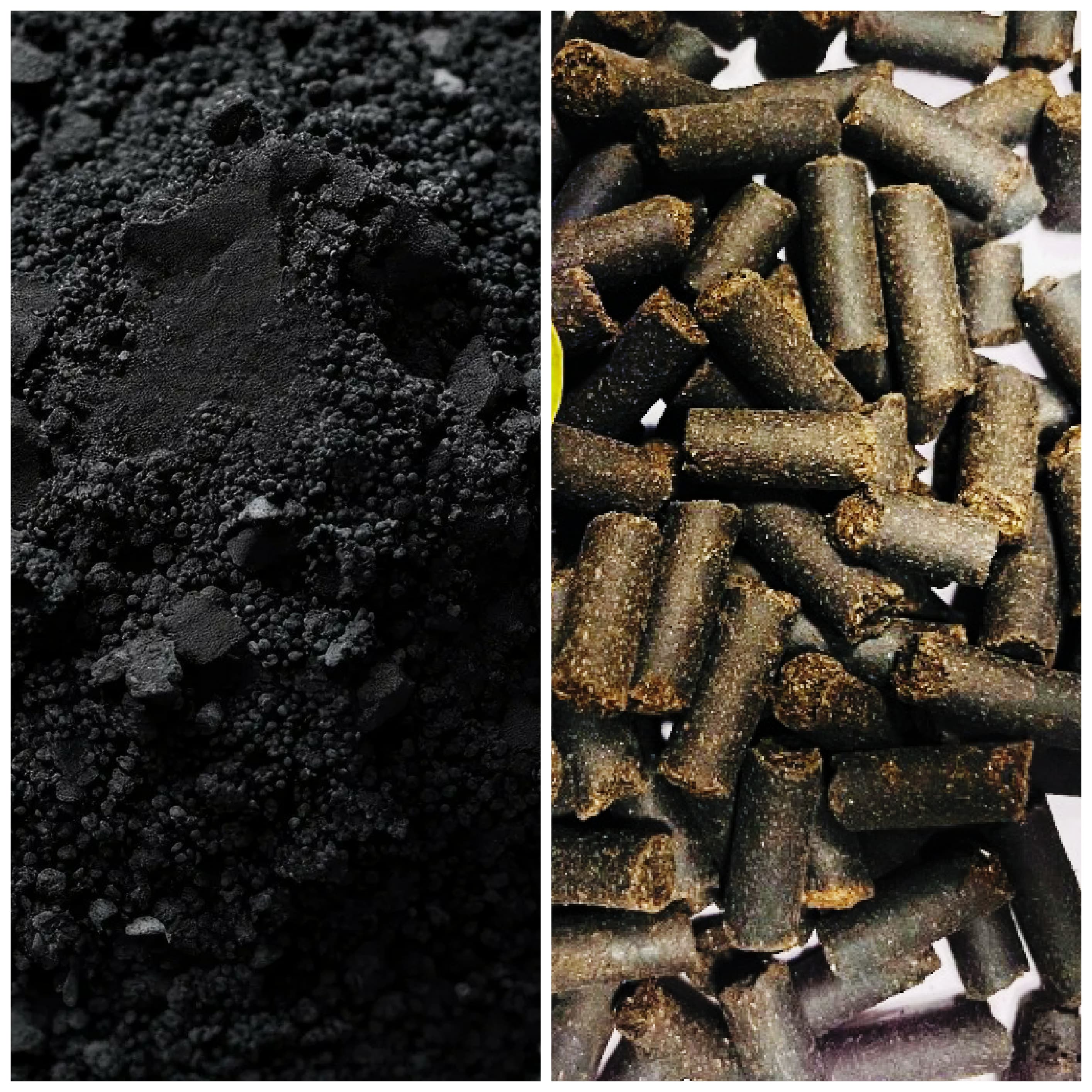
- Produces nutrient-rich digestate that can replace chemical fertilizers
- Creates green jobs in waste collection, processing, and energy distribution
By viewing waste as a resource rather than a problem, we can build more sustainable, resilient communities while addressing both waste management and energy challenges.
Explore Defiant Renewables' waste-to-energy services and process technology.