The Future of Green Hydrogen: Sustainable Energy Solutions
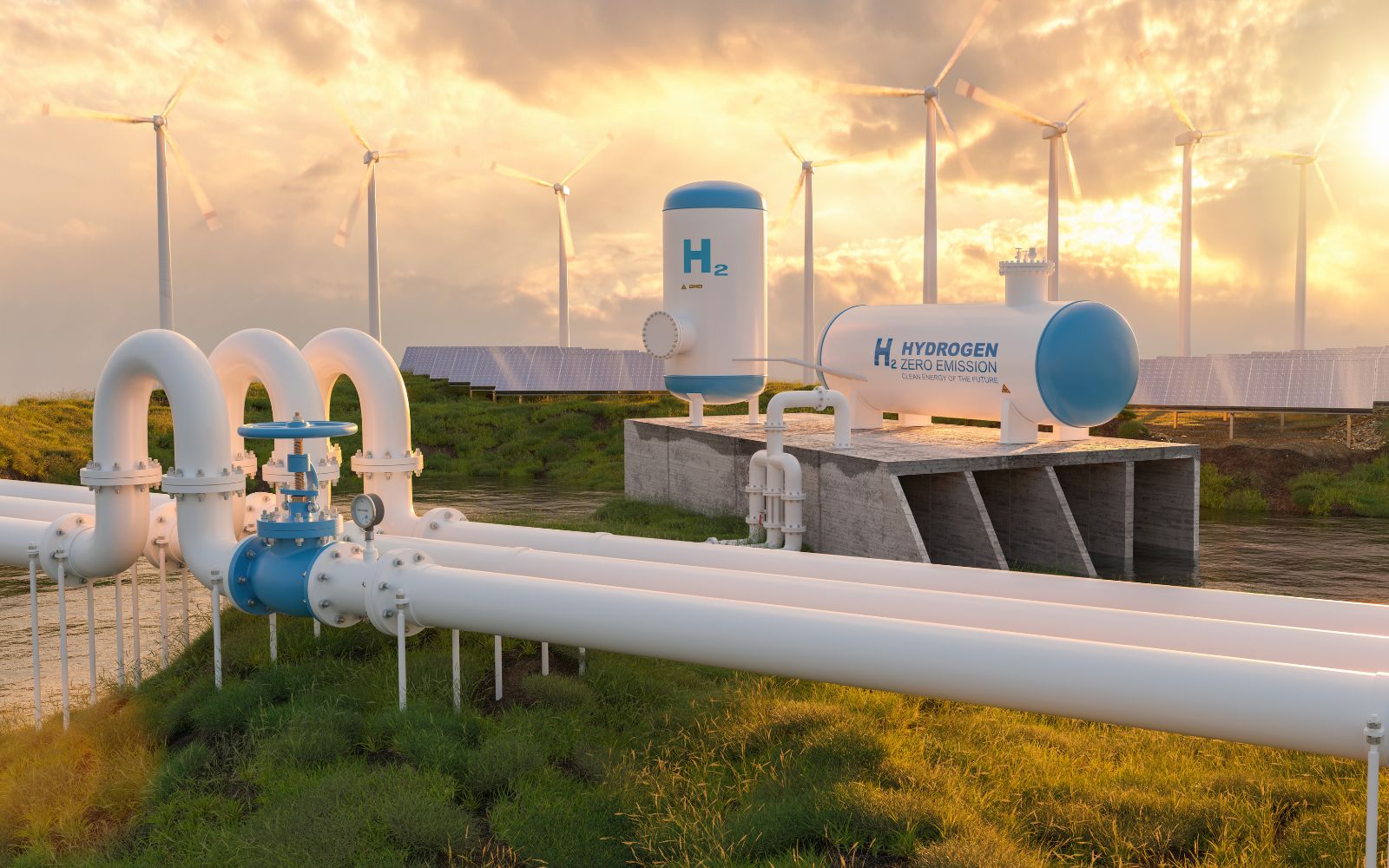
Green hydrogen, produced through electrolysis using renewable energy sources, is emerging as a key player in the global transition to sustainable energy. Unlike gray hydrogen, which is derived from natural gas, green hydrogen generates zero carbon emissions during production.
The Production Process
Green hydrogen is produced through a process called electrolysis, where an electric current splits water into hydrogen and oxygen. When this electricity comes from renewable sources like solar or wind power, the resulting hydrogen is completely emissions-free.
Applications Across Industries
From transportation to industrial processes, green hydrogen offers versatile applications:
- Fuel for hydrogen vehicles
- Energy storage for renewable power
- Clean alternative for industrial heating
- Feedstock for green chemicals and fertilizers
Challenges and Opportunities
While production costs remain a challenge, technological advancements and scaling efforts are rapidly making green hydrogen more economically viable. Government incentives and corporate sustainability commitments are further accelerating adoption.
The role of green hydrogen depends on how it is produced, its intended use and the energy and resources required across its lifecycle.
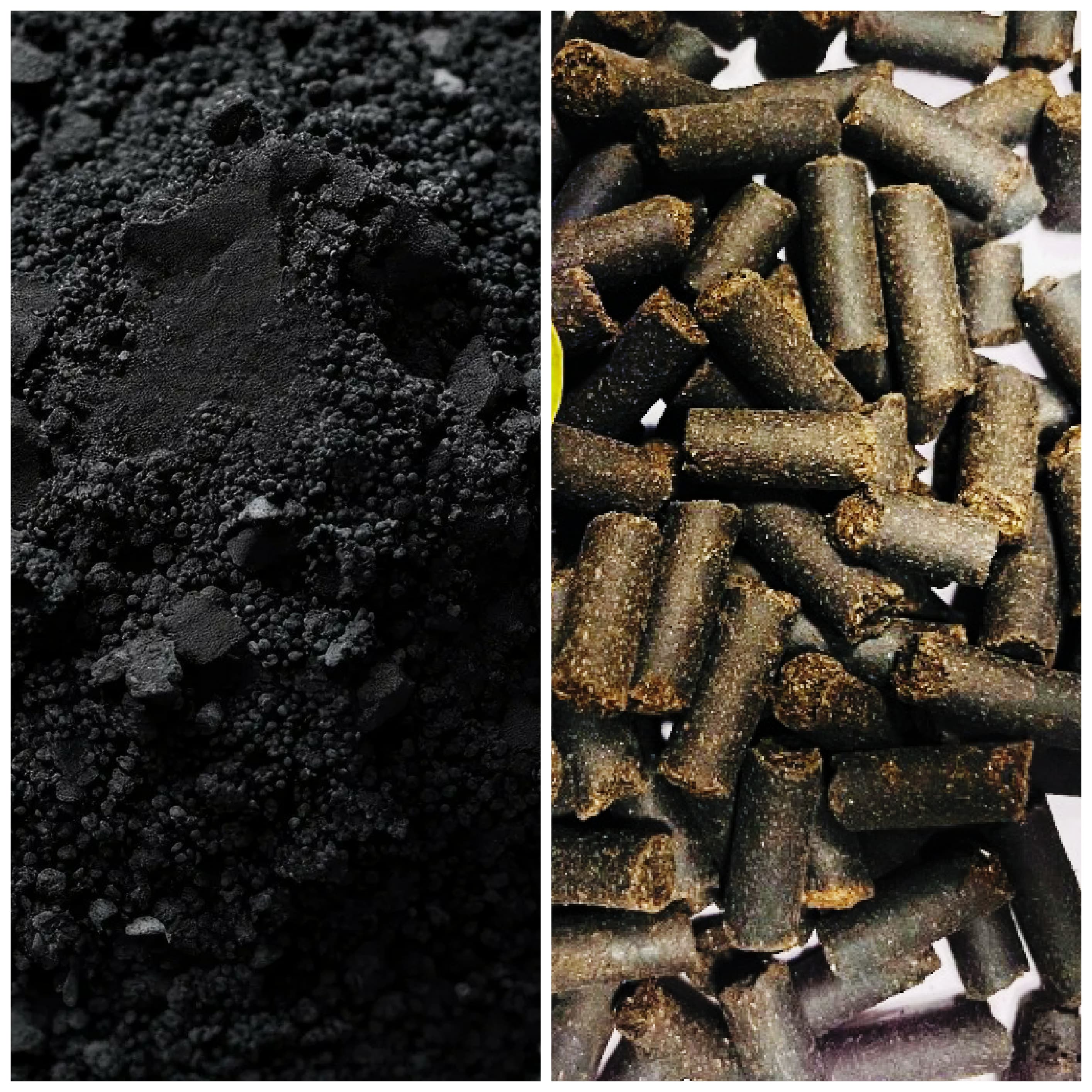
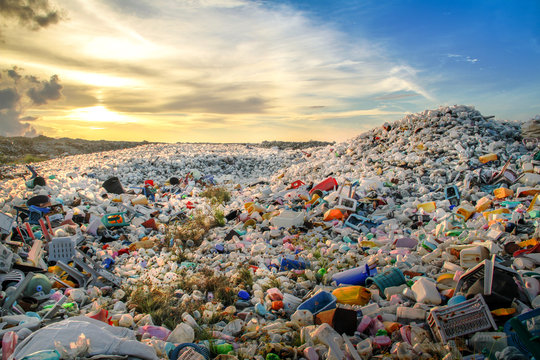
Learn about Defiant Renewables' work on bio-hydrogen from waste and BMP and BHP feedstock testing.