Biochar: A Sustainable Solution for Soil and Climate
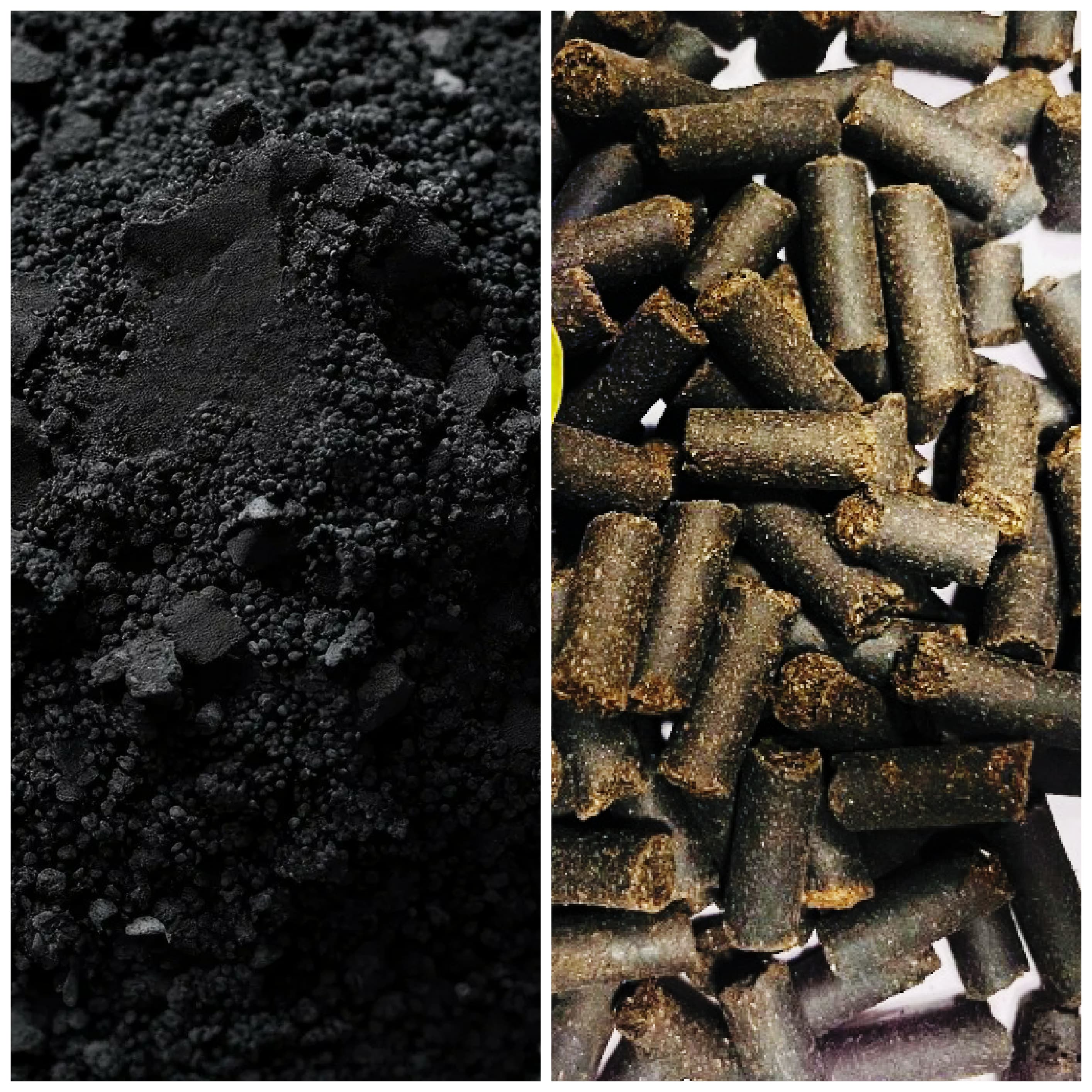
Biochar is a carbon-rich material produced by heating biomass in a low-oxygen environment. Its effects on soil and climate depend on the feedstock, production conditions, soil and crop.
Benefits of Biochar
When applied to soil, biochar offers multiple advantages:
- Can affect soil structure and nutrient retention; results depend on the soil and biochar
- May influence water-holding capacity; results vary by soil, crop and application
- Supports microbial activity, improving overall soil health
- Can store carbon in a stable form; the amount and duration depend on the feedstock and production conditions
- Reduces dependency on chemical fertilizers
Biochar in Climate Action
Beyond agriculture, biochar plays a significant role in global sustainability goals. By locking carbon into stable solid form, biochar contributes directly to carbon sequestration strategies while offering co-benefits for food security.
Future Potential
As the demand for sustainable farming and carbon-negative technologies grows, biochar presents an opportunity for farmers, policymakers, and industries to work together in building a resilient and eco-friendly future.
Want to dive deeper into biochar’s applications and impact? Explore Defiant Renewables waste-to-energy services .
See related work on biomass pre-treatment and contract R&D.